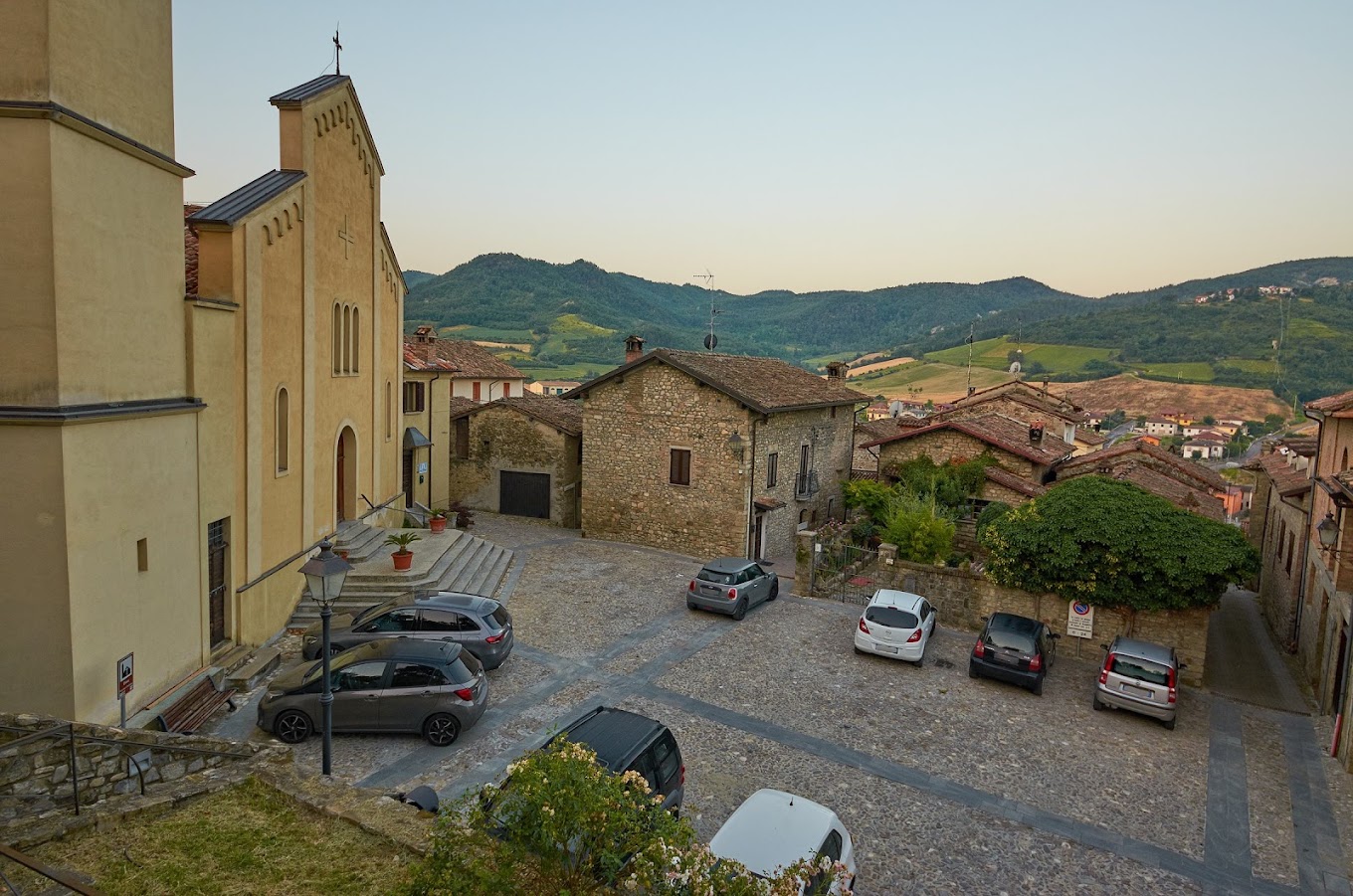
Bagnaria Perched on a rocky outcrop surrounded by cliffs, Bagnaria was historically fortified for protection, with remnants of its defenses still visible today.
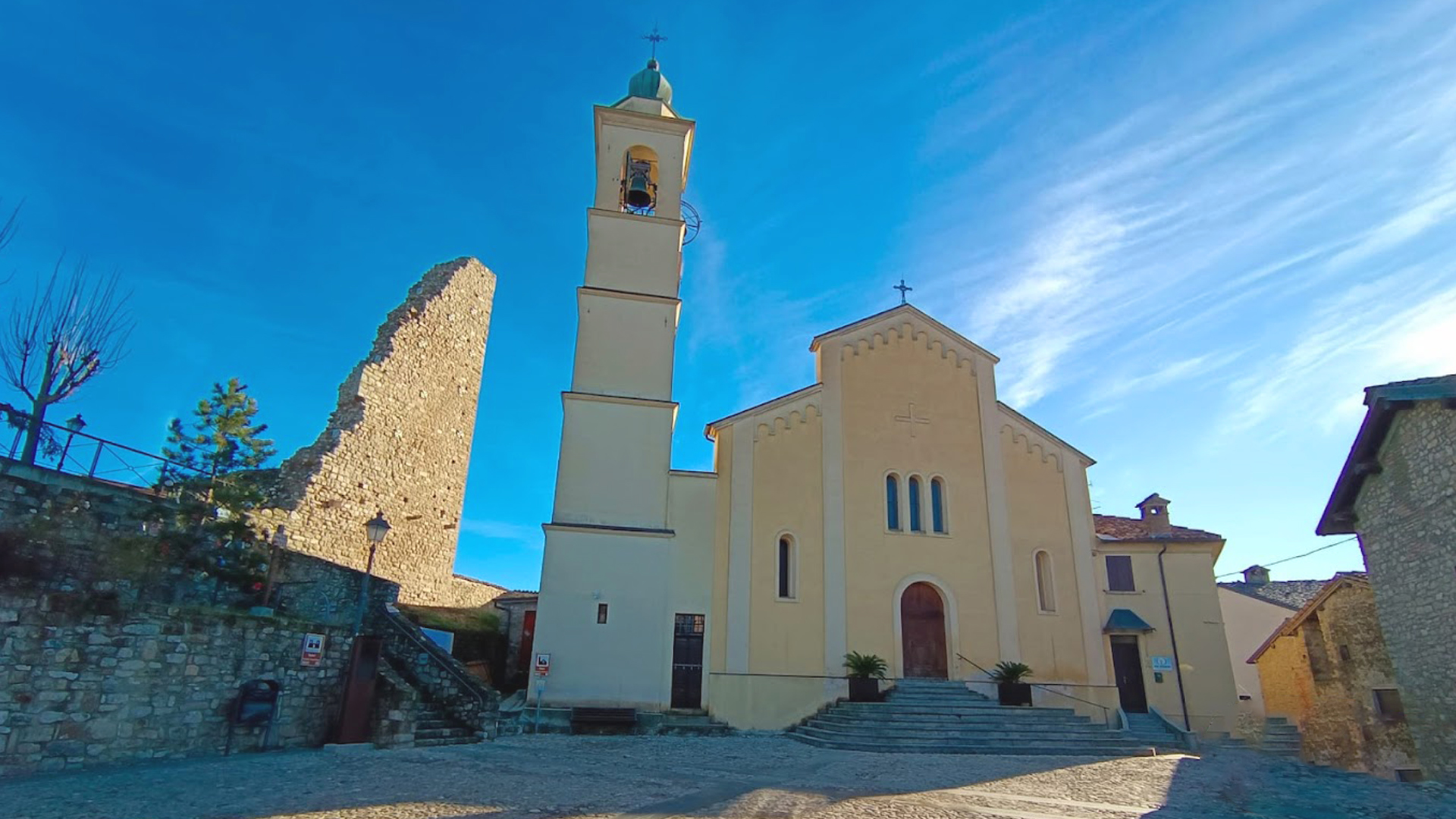
At the village's highest point stood the Torrione Fieschi Doria, a 10th-century watchtower built to safeguard the community.
Although much of the structure was destroyed in the 1828 earthquake, restoration efforts in 2021 preserved its cultural significance. The site offers a glimpse into medieval defensive architecture, with a rectangular plateau, remnants of the keep on the eastern side, and a low wall stretching north to west.
Although much of the structure was destroyed in the 1828 earthquake, restoration efforts in 2021 preserved its cultural significance. The site offers a glimpse into medieval defensive architecture, with a rectangular plateau, remnants of the keep on the eastern side, and a low wall stretching north to west.
Below the fortress lies the Parish Church of St. Bartholomew the Apostle, a Romanesque masterpiece from the late 12th century. Its west-facing front features pilasters, a central entrance, a triple-lancet window, and two single-lancet windows. Renovations in the 17th century added side aisles and vaulted ceilings, while the bell tower was built in 1880.
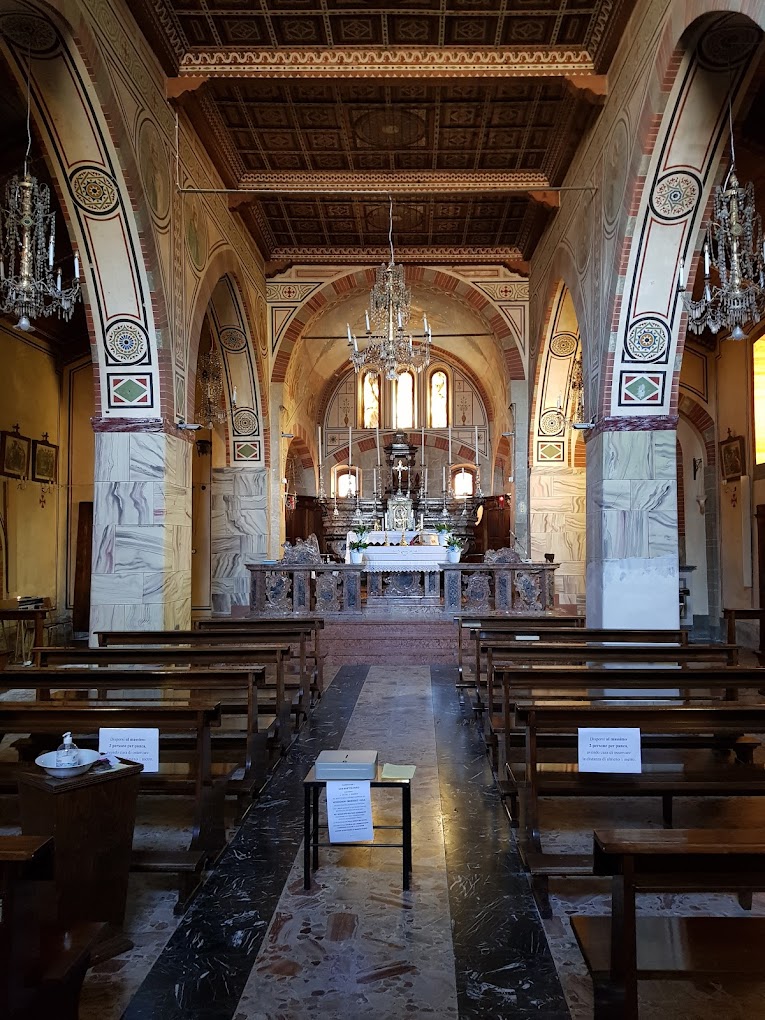
Despite severe damage during the 1945 earthquake, the church was restored and revitalized, most notably with the 1975 interior work by painter Bedeschi of Varzi.
Today, it features three naves supported by rounded arches, leading to a presbytery with a barrel vault and square apse.
The adjoining bell tower, with its square plan segmented by horizontal cornices, is crowned by an onion dome atop an octagonal drum, lending an elegant silhouette to the village skyline.



 English
  Italian