The Blacksmith Museum takes its name from the historic blacksmithing activity once carried out here by the Bergò family. They worked in the trade until 1960, when Battista Vincenzo—the last blacksmith of the dynasty—ceased operations. Established in 1983, the museum is housed in the same building where the founder, Mastro Antonio, opened the workshop in the early 1700s.
Inside the museum, time seems to have stood still. The original rooms preserve tools and equipment that tell the story of this ancient craft.
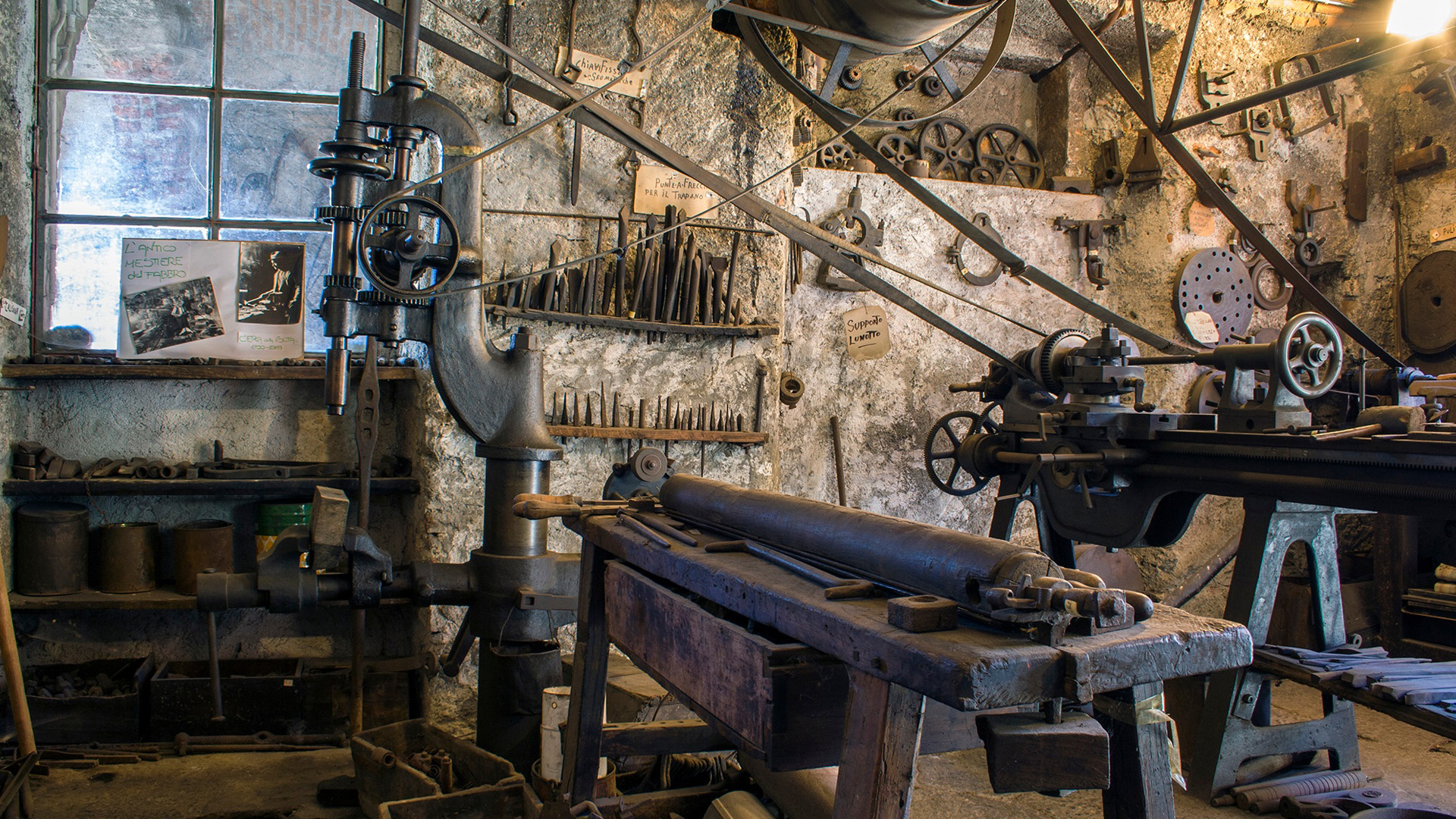
You’ll find the central machinery in the first room at the entrance, powered by a complex system of pulleys, belts, and gears. These are still driven by a functioning water wheel, which harnesses a drop in water flow to generate mechanical energy.
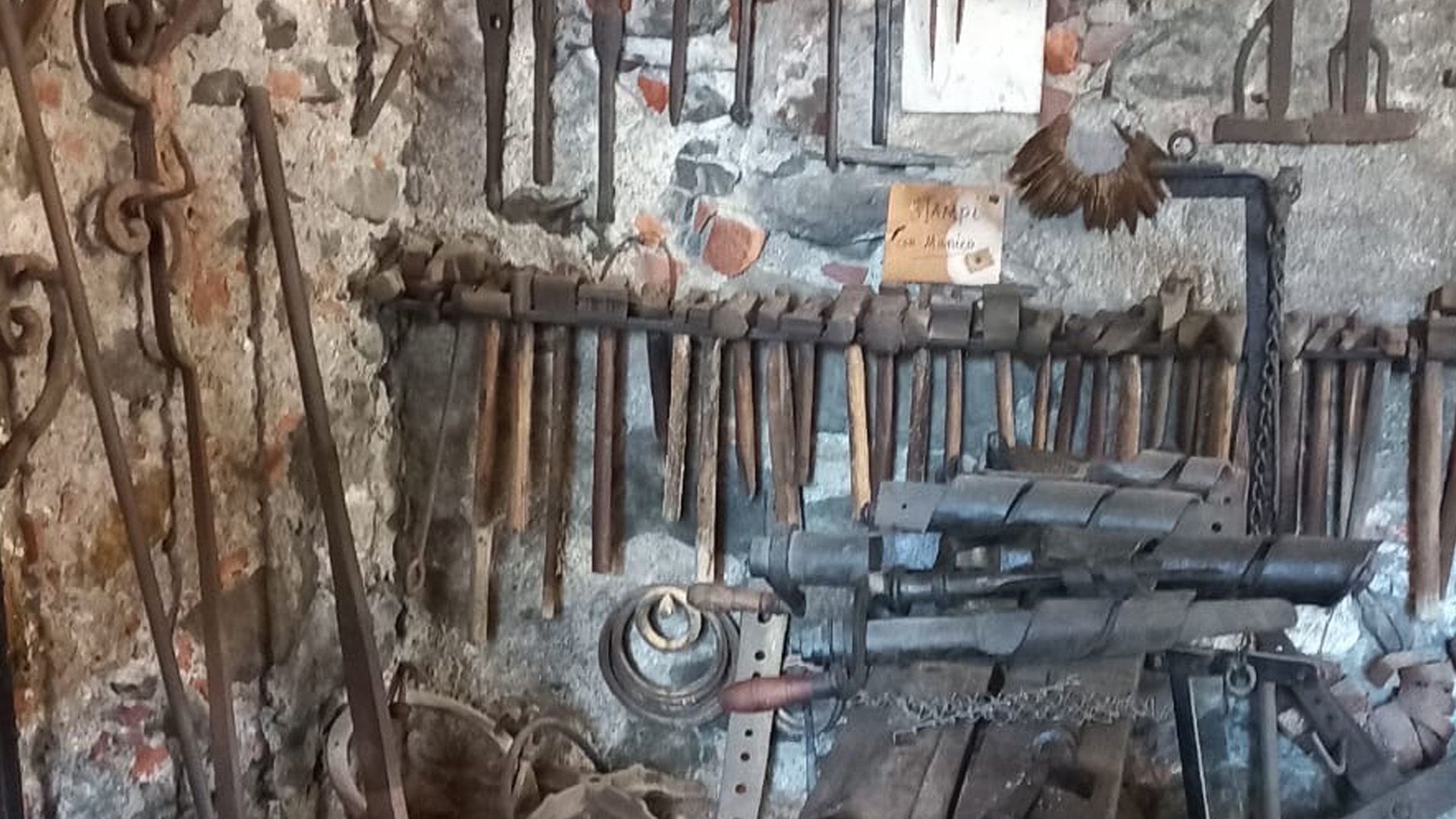
The forge room was the heart of the workshop. Here, iron was heated until it became malleable, then shaped with a hammer on the anvil. This is where the heaviest and most demanding work occurred, with metal being molded with great skill and precision.
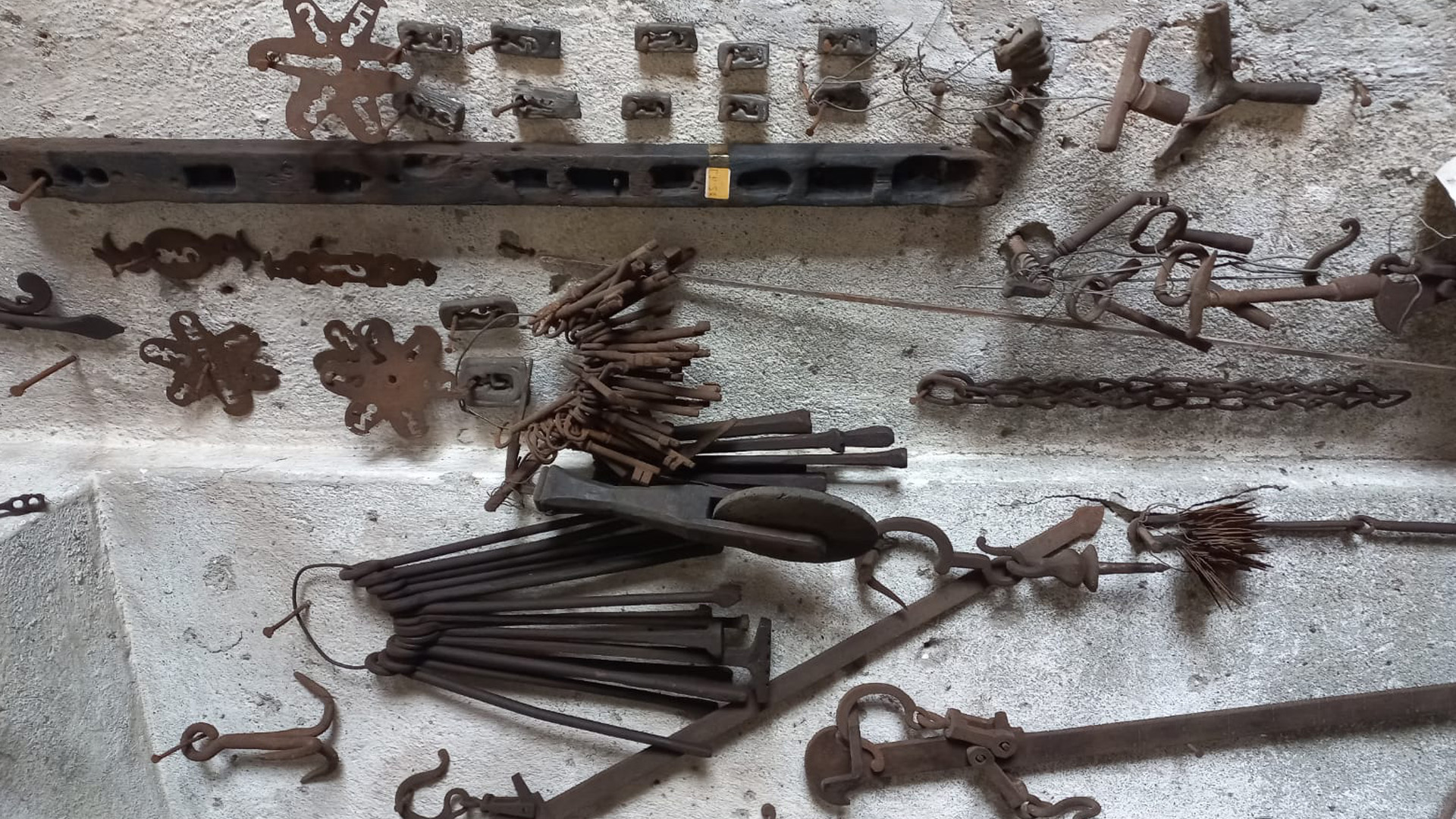
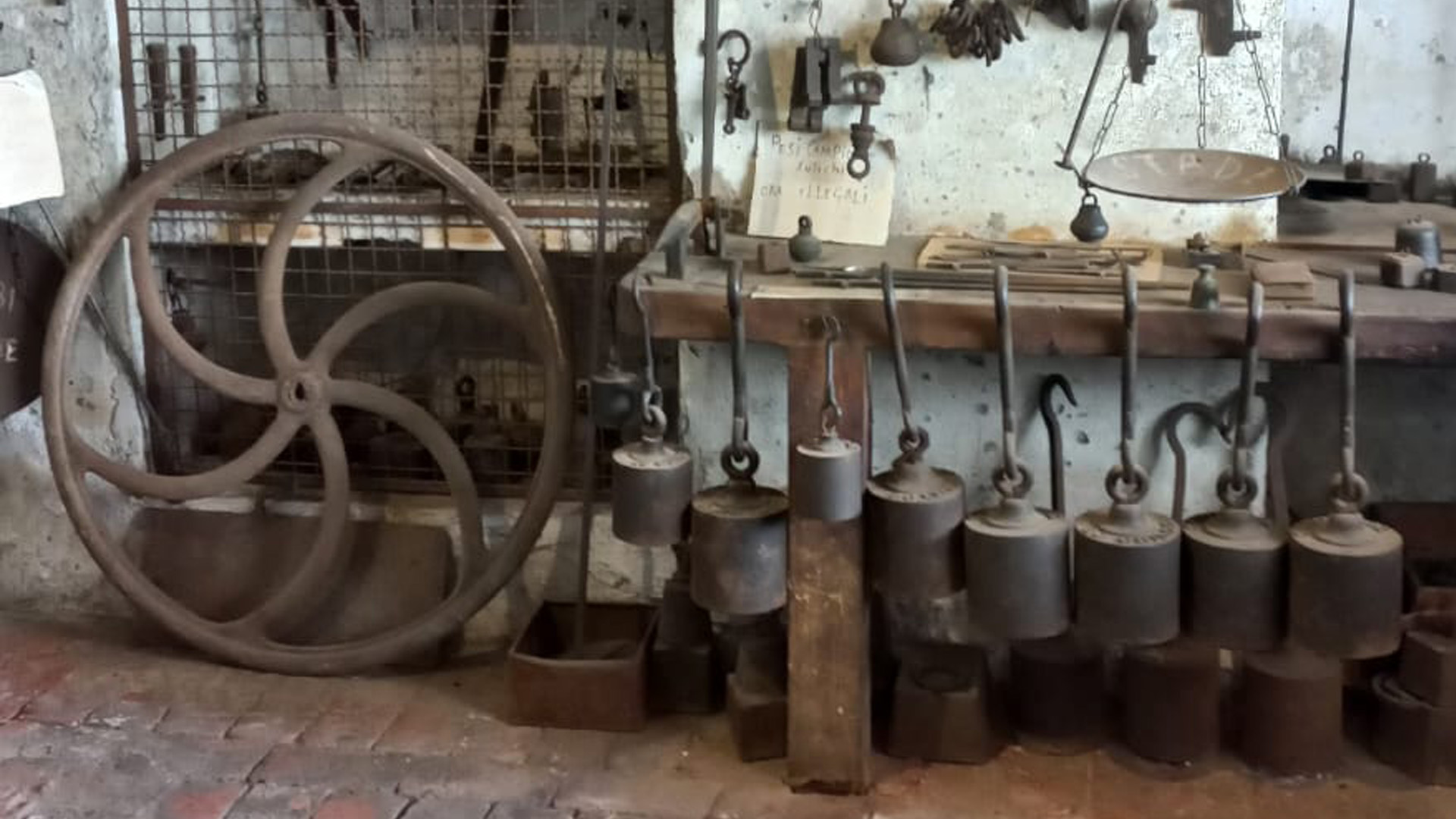
Finally, the most delicate tasks were carried out in the third room. This space was dedicated to crafting locks in various shapes and sizes, measuring tools, and especially balances and steelyards, which were essential instruments for trade and craftsmanship in the past.


 English
  Italian